
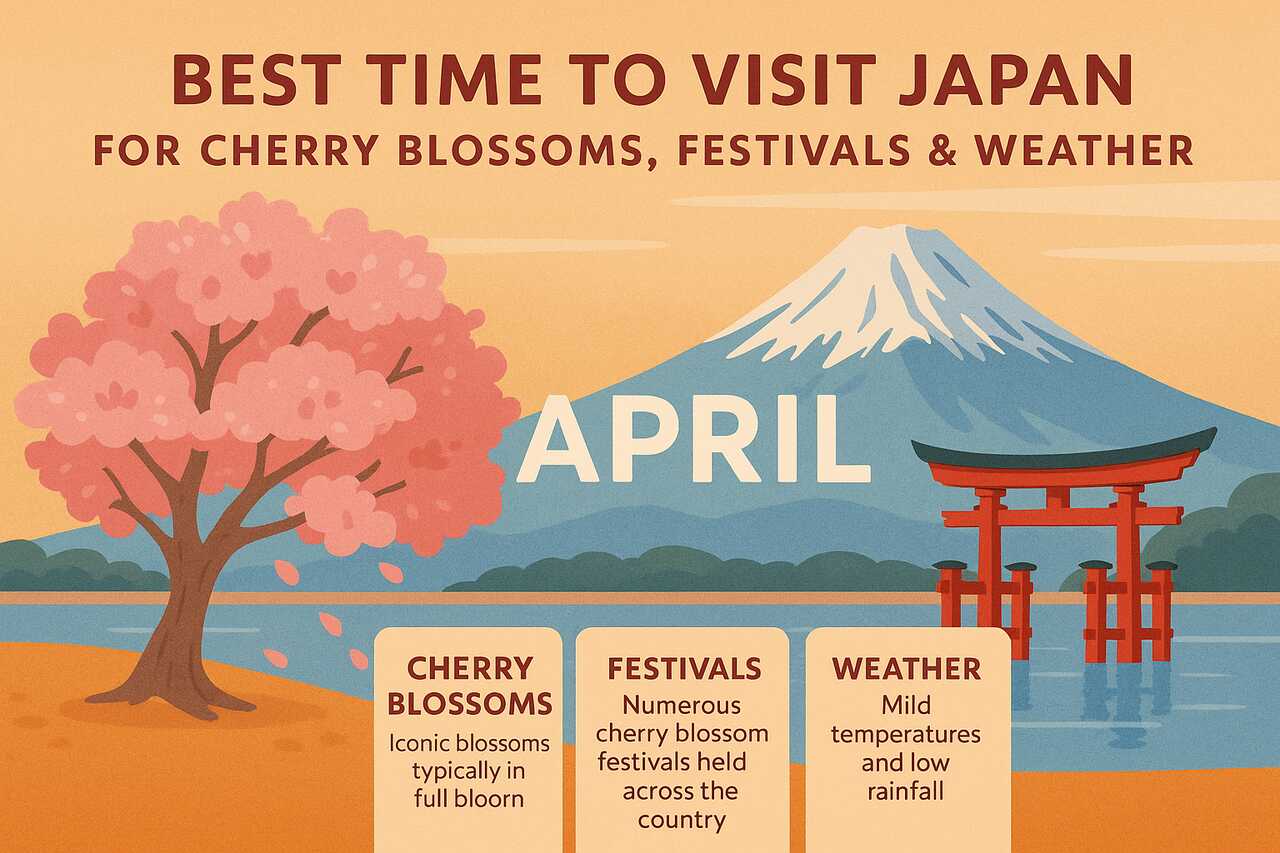
Japan rewards timing more than almost any other destination. Climate shifts shape scenery, festivals define local life, prices respond to school calendars, and crowd levels rise and fall in predictable waves. Choosing the best time to visit Japan depends on how these factors align with personal goals such as seeing cherry blossoms, avoiding crowds, skiing powder snow, or traveling on a tighter budget. This guide breaks down the calendar year step by step so travelers can match months to experiences with clarity and confidence.
Determine the best time to visit Japan overall
The most balanced months for visiting Japan are April, May excluding Golden Week, October, and November. These periods deliver mild temperatures, low humidity, reliable transportation, and strong cultural activity without the extremes of summer heat or winter cold in most regions.
Spring and autumn stand out because nature, city life, and travel logistics align smoothly. Days feel comfortable for walking, rail schedules run normally, and accommodation quality remains high even outside luxury tiers. These months also support flexible itineraries, allowing travelers to combine cities, countryside, and seasonal events in a single trip.
Choosing the best overall time also depends on travel style. First time visitors usually benefit most from spring or fall, while repeat travelers may find winter or summer more rewarding due to lower costs or niche activities.
Evaluate how each season shapes the travel experience
Spring, summer, autumn, and winter each create distinct travel conditions in Japan. Spring brings blossoms and mild weather. Summer introduces festivals, heat, and humidity. Autumn delivers foliage and crisp air. Winter offers snow sports and fewer crowds in cities.
Weather patterns influence daily comfort and transportation reliability. Summer heat changes sightseeing pace. Winter snow affects rural access but improves resort travel. Seasonal foods, from spring bamboo shoots to winter hot pot, also influence the cultural experience.
Understanding these differences allows travelers to avoid mismatched expectations. A summer visit can be vibrant and festive, but it requires preparation. A winter visit can feel calm and immersive, but it favors travelers comfortable with cold temperatures.
Plan travel around cherry blossom season in Japan
Cherry blossom season, known as sakura season, usually runs from late March to early April in central Japan. The blossoms move northward over several weeks, starting in Okinawa as early as January and reaching Hokkaido by late April or early May.
Timing a visit for sakura requires flexibility. Bloom dates shift each year based on winter temperatures. Travelers often monitor official forecasts and plan refundable accommodation or open jaw itineraries to adjust locations as the bloom progresses.
Cherry blossom viewing transforms parks, riversides, and temple grounds into social spaces filled with picnics and evening illuminations. This season combines natural beauty with strong communal atmosphere, making it one of the most memorable times to visit Japan.
Choose destinations for cherry blossom viewing
Tokyo, Kyoto, and Osaka offer iconic blossom views paired with urban convenience. Parks such as Ueno Park, Maruyama Park, and Shinjuku Gyoen become focal points for seasonal gatherings.
Regional destinations add variety. Mount Yoshino provides layered hillsides of blossoms. Hirosaki Castle combines late blooming trees with historic scenery. Kanazawa blends traditional gardens with quieter streets than Kyoto.
Selecting multiple regions increases chances of catching peak bloom. Travelers often combine Tokyo with a northern or western destination to hedge against early or late blossoms.
Experience autumn foliage across Japan
Autumn foliage, called koyo, peaks from mid October through late November in most of Honshu. Northern regions such as Hokkaido see color earlier, while southern areas like Kyushu peak later.
Autumn offers excellent visibility, cooler air, and stable weather. Hiking trails, scenic trains, and temple gardens become focal points. Compared to spring, crowds feel more spread out across regions and dates.
This season suits travelers who enjoy walking, photography, and regional exploration. The slower pace of leaf viewing contrasts with the brief intensity of cherry blossom season.
Align travel dates with autumn foliage peaks
Kyoto and Tokyo usually peak in mid to late November. Nikko, the Japanese Alps, and Mount Takao peak earlier, often in October. Southern areas such as Hiroshima extend into early December.
Planning foliage travel involves similar strategies to cherry blossoms but with a longer viewing window. Colors last several weeks and do not fall as abruptly, allowing more itinerary flexibility.
Autumn festivals, harvest foods, and cultural events complement foliage viewing, adding depth beyond scenery alone.
Avoid peak congestion during Japan’s busiest travel periods
Japan experiences several intense domestic travel peaks each year. Golden Week, which falls in late April and early May, combines multiple national holidays and creates nationwide congestion.
Obon in mid August triggers family travel and festival activity. New Year holidays from late December to early January lead to packed trains and limited hotel availability.
Visiting during these periods increases costs and reduces flexibility. Travelers who cannot avoid them should book transportation and lodging well in advance and limit intercity travel.
Navigate Golden Week travel conditions
Golden Week typically spans April 29 to May 5. During this time, popular destinations sell out, highway traffic increases, and domestic flights reach capacity.
Travelers already in Japan during Golden Week often benefit from staying in one region rather than moving frequently. Urban neighborhoods away from major attractions may feel quieter than expected.
If travel dates overlap only partially, adjusting arrival or departure by a few days can significantly improve comfort and cost.
Use off-season months for quieter travel
Japan’s off-season generally includes January excluding New Year, February, June, and parts of September. These months offer lower accommodation prices and fewer international visitors.
Winter off-season travel works well for city exploration, food focused trips, and cultural immersion. June sees higher rainfall due to the rainy season but maintains moderate temperatures.
Off-season travel suits experienced travelers who value calm streets, easier reservations, and budget efficiency over ideal weather.
Compare summer and winter travel costs
Summer prices fluctuate around festivals and school holidays. Airfare can rise in July and August, while accommodation prices vary by region. Winter often offers the lowest prices outside ski resorts.
February stands out for affordability in major cities. Flights, hotels, and tours frequently discount during this period due to cold weather and reduced demand.
Travelers focused on savings often pair winter dates with urban itineraries or cultural experiences rather than outdoor sightseeing.
Plan winter trips for skiing and snowboarding
Japan’s ski season typically runs from December through March. Snow quality peaks from January to February, especially in Hokkaido and the Japanese Alps.
Resorts such as Niseko, Hakuba, and Nozawa Onsen attract international skiers due to consistent powder and efficient infrastructure. Lift operations remain reliable even during heavy snowfall.
Winter sports trips benefit from early booking around holidays. Combining skiing with city stays balances physical activity with cultural exploration.
Select regions best suited for winter sports
Hokkaido offers dry powder snow and wide open terrain. Honshu resorts provide steeper slopes and easier access from Tokyo.
Nagano Prefecture remains popular for mixed ability groups and traditional onsen towns. Tohoku provides quieter resorts and strong regional character.
Each region varies in snowfall timing, temperature, and après ski culture, allowing travelers to match preferences precisely.
Assess regional weather variations across Japan
Japan stretches across several climate zones. Northern regions experience cold winters and mild summers. Central regions have four distinct seasons. Southern islands remain subtropical year round.
Tokyo features hot summers and cool winters. Hokkaido stays cooler and less humid. Okinawa experiences warm temperatures even in winter but faces higher typhoon risk in summer.
Understanding these differences helps travelers choose destinations that align with seasonal comfort rather than relying on national averages.
Prepare for typhoon season and weather risks
Typhoon season generally runs from August through September. Storms can disrupt flights and rail schedules but rarely affect entire regions simultaneously.
Travel insurance, flexible booking, and regional buffers reduce risk. Monitoring weather updates allows travelers to adjust plans proactively.
Despite storms, many summer days remain sunny. Typhoon season does not eliminate travel viability but requires preparedness.
Identify the cheapest time to visit Japan
The lowest cost periods usually fall in January after New Year, February, and parts of June. Flights and hotels often discount due to lower demand.
September also offers relative value outside holiday weekends. Prices drop as summer travel ends, though weather remains warm.
Budget travelers benefit from avoiding school holidays, Golden Week, and peak foliage periods while remaining flexible with destinations.
Track flight and hotel price trends
International flights tend to be cheapest from late January to early March. Hotel rates mirror domestic travel patterns more than international demand.
Business hotels and regional inns discount more aggressively in off-season months. Urban centers offer competitive pricing year round outside peak dates.
Using fare alerts and booking midweek flights further reduces costs.
Match travel timing to personal travel goals
Solo travelers often enjoy off-season months for calm exploration. Couples favor spring and autumn for scenery and walking friendly weather. Families must account for school holidays and summer festivals.
Festival focused travelers plan around specific events such as Gion Matsuri in July or Awa Odori in August. Food focused travelers benefit from seasonal specialties like autumn mushrooms or winter seafood.
Aligning goals with calendar realities transforms timing from a constraint into an advantage.
Compare seasonal advantages at a glance
| Season | Weather Comfort | Crowds | Costs | Best For |
|---|---|---|---|---|
| Spring | High | Very High | High | Cherry blossoms, first visits |
| Summer | Low to Moderate | Moderate | Variable | Festivals, rural travel |
| Autumn | High | High | Moderate | Foliage, photography |
| Winter | Moderate to Low | Low | Low | Skiing, budget trips |
Incorporate sustainability and crowd awareness
Overtourism affects popular sites during peak seasons. Traveling in shoulder or off-season months helps distribute economic benefits and reduce strain.
Choosing secondary cities, local festivals, and regional food experiences deepens cultural engagement while avoiding congestion.
Mindful timing supports a more balanced travel experience for both visitors and residents.
Conclude your Japan travel timing strategy
The best time to visit Japan depends on how climate, culture, cost, and crowd levels align with personal goals. Spring and autumn offer the most universally appealing conditions, while summer and winter reward travelers seeking specific experiences or savings.
By understanding seasonal patterns, regional differences, and travel peaks, visitors can plan trips that feel intentional rather than reactive. Japan remains rewarding year round, but the right timing transforms a good trip into an exceptional one.
FAQs
When is the absolute best month to visit Japan?
April and November stand out due to mild weather and seasonal scenery, though crowds increase during these months.
What’s the weather like in Japan in April and November?
April feels mild with cool mornings and warm afternoons. November brings crisp air and low humidity, ideal for walking.
Are cherry blossoms and fall colors visible across all of Japan?
Yes, but timing varies by region. Blossoms and foliage move northward over several weeks.
How crowded is Japan during Golden Week?
Golden Week is one of the busiest periods, with packed trains and sold out accommodations nationwide.
Is summer a bad time to visit Japan due to heat and typhoons?
Summer can be hot and humid, but festivals and mountain regions offer rewarding experiences with preparation.
What are the quietest months for sightseeing in Japan?
February and June generally provide the calmest conditions and best value for travelers.
Read Next: Exploring Sandusky – Best Things to Do in Sandusky Ohio
