

“In most U.S. states, pets (including dogs) are legally classified as personal property. So during probate, the court honors the instructions in the will about who should receive the pet and any other instructions,” says Mike Bracchi, a Leon County probate court lawyer.
This legal classification means that planning for your dog’s future care requires the same thoughtful consideration you’d give to any other valuable asset.
However, unlike furniture or bank accounts, your dog needs someone who will provide love, attention, and proper care for years to come.
Understanding the Importance of Planning
Many pet owners assume their family members will automatically step in to care for their beloved dogs if something happens to them. Unfortunately, this assumption can lead to heartbreaking situations where dogs end up in shelters or with caregivers who aren’t prepared for the responsibility. Without clear legal instructions, your dog’s fate becomes uncertain, potentially ending up with someone unable or unwilling to provide appropriate care.
Planning ahead ensures your dog receives the care you’ve always provided, even when you’re no longer there. It also prevents family disputes about who should take your pet and eliminates the burden of unexpected expenses on your chosen caregiver. Most importantly, it gives you peace of mind knowing your loyal companion will be loved and protected.
Choosing the Right Caregiver
Selecting someone to care for your dog is perhaps the most crucial decision in this entire process. The ideal caregiver should genuinely love dogs and understand the specific needs of your pet. Consider their lifestyle, living situation, financial stability, and ability to provide long-term care. Someone who travels frequently or lives in a small apartment might not be suitable for a large, energetic dog.
Have an honest conversation with your potential caregiver before naming them in your will. Discuss your dog’s personality, health issues, dietary requirements, exercise needs, and behavioral quirks. Make sure they’re willing and able to accept this responsibility. It’s also wise to designate an alternate caregiver in case your first choice is unable to fulfill the role when the time comes.
Providing Financial Support
Caring for a dog involves ongoing expenses including food, veterinary care, grooming, and unexpected medical emergencies. The average lifetime cost of owning a dog can reach tens of thousands of dollars. To ensure your caregiver isn’t financially burdened, consider setting aside funds specifically for your dog’s care.
You can leave a lump sum of money to your designated caregiver with instructions that it be used for pet-related expenses. Be realistic about costs by calculating annual expenses and multiplying by your dog’s expected remaining lifespan. Include a buffer for emergency veterinary care, which can be particularly expensive as dogs age.
Some states allow pet trusts, which provide a more structured approach to financial planning. A pet trust legally sets aside money specifically for your dog’s care, with a trustee overseeing the funds. This arrangement ensures the money is used exclusively for your pet and provides accountability that a simple inheritance might not.
Documenting Your Dog’s Care Instructions
Your will should include more than just the name of your chosen caregiver and financial provisions. Create a comprehensive care document detailing your dog’s daily routine, preferences, medical history, and special needs. Include information about feeding schedules, favorite toys, walking routines, and any behavioral sensitivities.
List your veterinarian’s contact information, current medications, vaccination records, and any ongoing health conditions requiring treatment. Document your dog’s likes and dislikes, such as favorite treats, fear of thunderstorms, or preference for certain types of toys. These details help your caregiver maintain consistency and reduce your dog’s stress during the transition.
Keep this care document with your will but also share a copy with your designated caregiver. Update it regularly as your dog ages or circumstances change. Consider creating a digital version that’s easily accessible and can be quickly shared with your executor or attorney.
Including Legal Language in Your Will
When drafting your will, work with an attorney experienced in estate planning to ensure proper legal language. Clearly state your intention to leave your dog to a specific person, identified by name. Include the alternate caregiver’s name in case your primary choice cannot fulfill the responsibility.
Specify any financial provisions accompanying the pet, whether a lump sum payment or ongoing distributions from a trust. State explicitly that these funds are intended for the dog’s care and wellbeing. You might also include instructions about what should happen to any remaining funds after your dog passes away.
Consider including a provision requiring the caregiver to provide annual updates or veterinary records to your executor or trustee. This accountability measure ensures your dog receives proper care without being overly intrusive. Some pet owners also specify that if the caregiver can no longer care for the dog, the pet must be returned to the estate or given to the alternate caregiver rather than rehomed independently.
Exploring Pet Trust Options
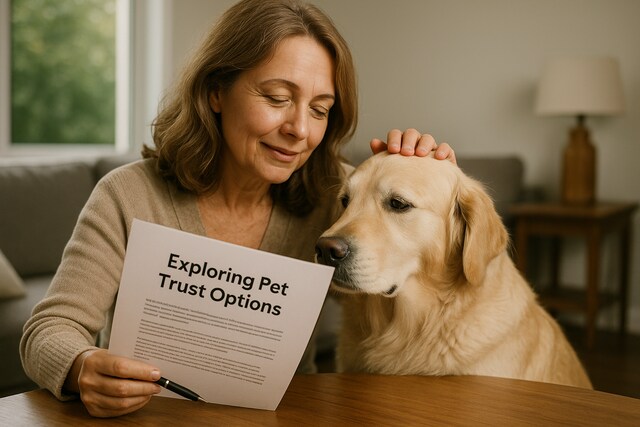
For those wanting more control and oversight, establishing a pet trust offers significant advantages over simple will provisions. A pet trust is a legal arrangement where funds are set aside specifically for your pet’s care, managed by a trustee. The caregiver receives regular disbursements for pet-related expenses, and the trustee ensures the money is used appropriately.
Pet trusts can include detailed instructions about your dog’s care, require regular veterinary checkups, and even specify the standard of living you want maintained. They can also cover multiple pets and extend beyond your dog’s lifetime to provide for future pets. While more complex and potentially costly to establish, pet trusts offer unmatched peace of mind for devoted pet owners.
Making Your Plan Official
Once you’ve made all these decisions and documented your wishes, ensure your will is properly executed according to your state’s requirements. Store the original in a safe place and inform your executor, designated caregiver, and family members about its location. Provide copies to relevant parties and your attorney.
Review and update your plans regularly, especially after major life changes like moves, divorces, or shifts in your financial situation. Your dog’s needs and your caregiver’s circumstances may also change over time. Annual reviews ensure your plan remains current and effective.
Planning for your dog’s future care is a final act of love and responsibility. By taking these steps now, you ensure your faithful companion continues receiving the care and affection they deserve, no matter what the future holds.
