
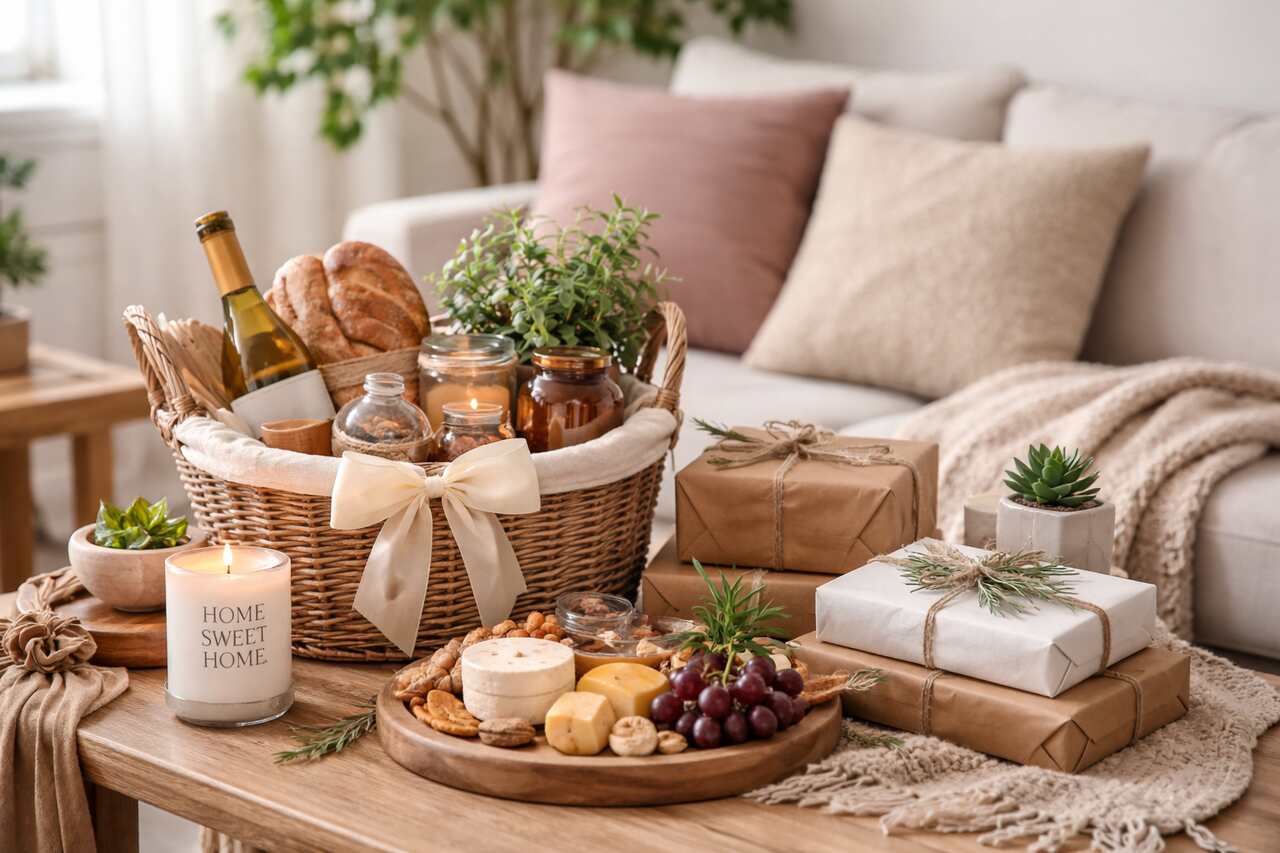
Housewarming gifts play a practical and emotional role in celebrating a new beginning. Moving into a new home represents stability, progress, and personal identity, and the right gift supports that transition in a tangible way. A thoughtful choice improves daily living, enhances comfort, or adds character to the space. Selecting housewarming gifts requires attention to lifestyle, household needs, and long term usefulness rather than novelty alone. When chosen well, these gifts become part of the home’s story instead of temporary decorations.
This guide explains how to select housewarming gifts that feel intentional, useful, and memorable. Each section focuses on a clear action you can take to ensure your gift aligns with the home, the people living in it, and the occasion itself.
Identify the Household’s Living Style and Needs
Effective housewarming gifts start with understanding how the recipients live. A minimalist apartment requires different items than a family home, and renters often value flexibility more than permanence. Observing the home size, layout, and furnishing style helps narrow down appropriate categories.
Lifestyle determines practicality. Hosts who cook frequently benefit from kitchen focused gifts, while busy professionals may appreciate low maintenance items. Pet owners value durable materials, and families with children prioritize safety and ease of use. Matching the gift to daily habits ensures it integrates naturally into the household routine.
Consider also whether the home is newly built, recently renovated, or previously occupied. New builds often lack basic essentials, while older homes may need upgrades or aesthetic refreshes. The more closely the gift aligns with actual use, the more appreciated it becomes.
Choose Kitchen Items That Support Daily Routines

Kitchen focused housewarming gifts remain popular because they serve an immediate purpose. New homeowners often need to restock or upgrade essentials after moving, making functional kitchen items a safe and appreciated choice.
High quality cookware, serving boards, utensil sets, or storage containers improve everyday efficiency. Items made from durable materials like stainless steel, ceramic, or hardwood offer longevity and visual appeal. Neutral colors and classic designs help ensure compatibility with various kitchen styles.
Beyond tools, consumable kitchen gifts also perform well. Olive oil, spice blends, coffee beans, or gourmet snacks provide enjoyment without adding clutter. These gifts allow recipients to enjoy the gesture immediately while settling into their new space.
Select Home Decor That Enhances Personal Expression
Decorative housewarming gifts should complement rather than override the homeowner’s style. Items that add warmth, texture, or subtle personality work better than bold statement pieces unless the recipient’s taste is well known.
Candles, throw blankets, planters, and framed prints offer versatility across rooms. Soft furnishings introduce comfort, while natural elements create balance. Materials such as cotton, linen, wood, and stone adapt easily to different interiors.
When choosing decor, scale matters. Smaller items fit apartments and starter homes more comfortably than large decorative objects. A well chosen accent piece feels intentional and avoids the risk of becoming unused storage.
Offer Practical Essentials That New Homes Often Lack
Practical housewarming gifts solve immediate problems that arise after moving. Many homeowners delay purchasing secondary essentials, making these items especially useful during the first weeks.
Cleaning supplies, storage solutions, tool kits, and organizers help establish order. Items like entryway trays, laundry baskets, or drawer dividers support daily systems without drawing attention to themselves.
Functionality increases when quality is prioritized. A durable broom, well designed trash can, or reliable power strip may not seem glamorous, but these items improve everyday living and reduce friction in a new home environment.
Give Plants That Add Life Without Complexity
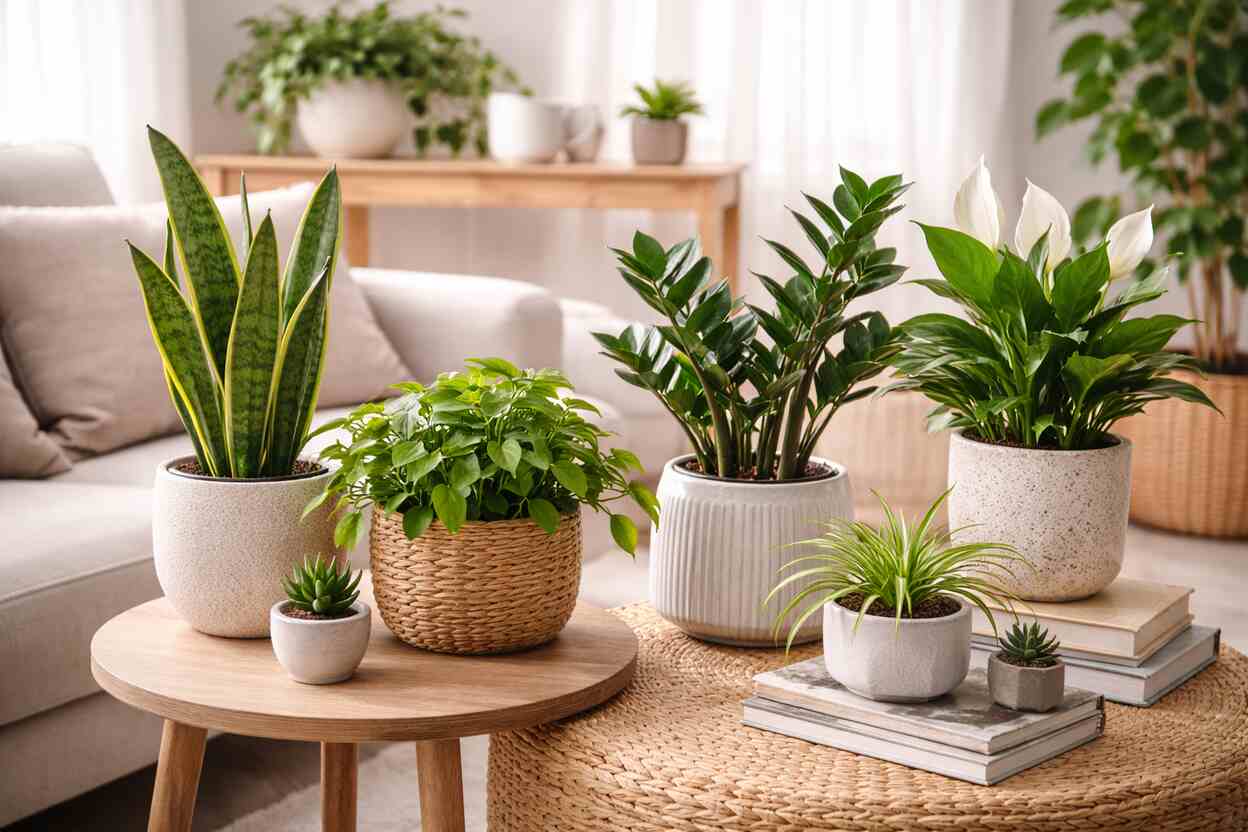
Plants remain a classic housewarming gift because they symbolize growth and renewal. They also improve indoor atmosphere and visual warmth. However, plant selection should consider light availability and maintenance tolerance.
Low maintenance plants such as snake plants, pothos, or succulents suit busy households or first time plant owners. These varieties tolerate irregular watering and adapt to various light conditions. For experienced gardeners, herbs or flowering plants provide ongoing engagement.
Including a planter or care instructions adds value. The goal is to enhance the space without creating stress. When matched correctly, plants become long term companions rather than short lived decorations.
Personalize Gifts to Create Emotional Connection
Personalized housewarming gifts establish emotional significance by reflecting the homeowner’s identity. Customization transforms an object from generic to meaningful, especially for milestone moves like first homes or relocations.
Address signs, engraved cutting boards, or custom prints featuring the home location add a sense of ownership. Personal touches work best when subtle and practical rather than overly decorative.
Timing matters for personalization. If the homeowner has not fully settled, choose flexible customization options that do not lock them into a specific design preference. Thoughtful restraint ensures the gift feels considerate rather than intrusive.
Match Gifts to Budget Without Sacrificing Quality
Budget influences housewarming gift selection, but value matters more than price. A well made modest gift often outperforms an expensive but impractical one. The goal is usefulness, durability, and alignment with the home.
Lower budget options include candles, towels, kitchen towels, or small plants. Mid range budgets allow for cookware, decor sets, or storage solutions. Higher budgets support premium appliances, art pieces, or bundled gift collections.
Presentation enhances perceived value. Thoughtful wrapping, handwritten notes, or curated sets elevate even simple items. Budget conscious gifting succeeds when intention is clear and quality is consistent.
Consider Gift Sets for Balanced Utility and Variety
Gift sets offer flexibility by combining multiple complementary items. This approach reduces the risk of misalignment and increases the chance that at least part of the gift meets an immediate need.
Kitchen sets may include towels, utensils, and consumables. Relaxation sets might combine candles, throws, and teas. Cleaning or organization kits support functional setup without appearing impersonal.
Balance matters within sets. Avoid overwhelming quantity in favor of cohesive selection. Each item should serve a purpose and align with the overall theme to maintain clarity and usefulness.
Respect Cultural and Lifestyle Preferences
Housewarming traditions vary across cultures and lifestyles. Some households prefer symbolic gifts, while others value practicality above all. Awareness of these preferences prevents discomfort or misunderstanding.
Dietary restrictions affect food based gifts. Religious or cultural values may influence decor or plant choices. Eco conscious households may prefer sustainable materials and minimal packaging.
Asking discreet questions or observing previous preferences helps guide selection. Respectful gifting acknowledges personal values and strengthens social connection.
Avoid Common Housewarming Gift Mistakes
Certain items carry risk when chosen without context. Strong scented candles, oversized furniture, or highly personalized decor may clash with the home or preferences.
Avoid gifts that require significant maintenance or installation unless requested. Fragile items create stress during unpacking, and novelty items often lose relevance quickly.
The safest approach balances function, aesthetics, and adaptability. Gifts that integrate smoothly into daily life remain appreciated long after the move.
Use Timing to Increase Impact
Timing influences how housewarming gifts are received. Bringing a gift during the first visit supports immediate needs, while later gifts can address overlooked gaps.
Early gifts focus on essentials and comfort. Later gifts can include decor upgrades or experience based items like subscriptions or local services.
Aligning timing with purpose increases relevance. A gift that arrives when it is most useful leaves a stronger impression.
Compare Popular Housewarming Gift Categories
| Gift Category | Primary Benefit | Best For |
|---|---|---|
| Kitchen Items | Daily functionality | New homeowners, frequent cooks |
| Home Decor | Visual warmth | Apartments, style conscious homes |
| Practical Essentials | Immediate problem solving | First time movers |
| Plants | Atmosphere and symbolism | Most households |
| Personalized Items | Emotional connection | Milestone moves |
Match Gift Type to Home Situation
| Home Situation | Recommended Gift Type | Reason |
|---|---|---|
| First Apartment | Practical essentials | Budget and space efficiency |
| Family Home | Storage and organization | Daily household management |
| Newly Built Home | Decor and personalization | Blank space enhancement |
| Rental Property | Flexible, non permanent items | Lease friendly use |
Conclusion
Housewarming gifts succeed when they respect the home, support daily life, and reflect thoughtful consideration. The most memorable gifts balance usefulness with warmth, allowing homeowners to feel supported during a significant transition. By focusing on lifestyle, practicality, and adaptability, you can select housewarming gifts that integrate naturally into the space and create lasting positive associations. A well chosen gift does not compete for attention but quietly becomes part of the home itself.
FAQs
Q: What makes a housewarming gift appropriate?
A: An appropriate housewarming gift supports daily living, complements the home, and aligns with the homeowner’s preferences without requiring major adjustments.
Q: Are consumable gifts acceptable for housewarming events?
A: Yes. Consumable gifts such as food, candles, or plants are often appreciated because they do not create long term clutter.
Q: How much should I spend on a housewarming gift?
A: Spending depends on your relationship with the homeowner. Thoughtfulness and quality matter more than price.
Q: Is it better to choose practical or decorative gifts?
A: Practical gifts work best for early visits, while decorative gifts suit later stages once the home style is established.
Q: Should housewarming gifts be personalized?
A: Personalization adds meaning when done subtly. Avoid overly specific designs unless you are confident in the recipient’s preferences.
Q: Can group gifts work for housewarming occasions?
A: Group gifts are effective for higher value items or bundled sets, especially when coordinated to meet a clear household need.
