


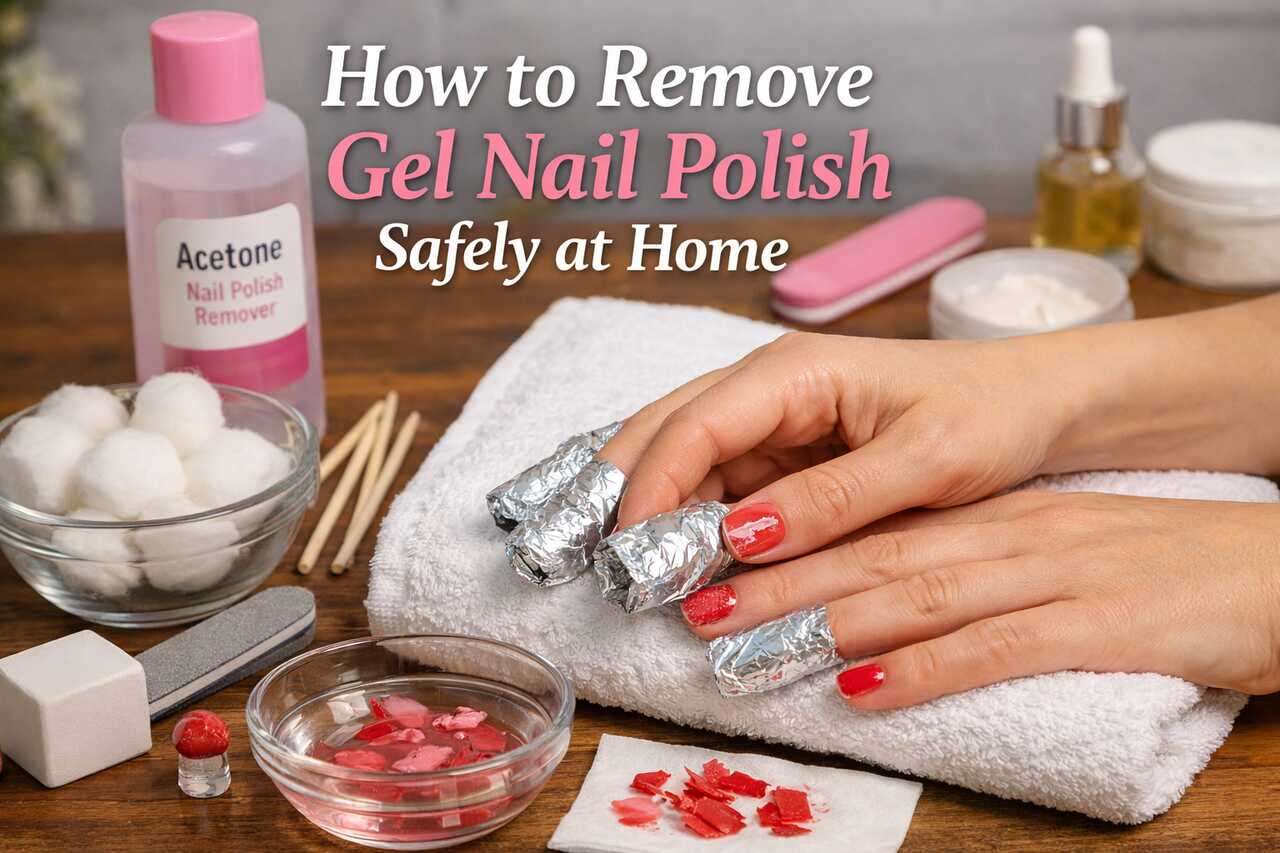
Introduction:
Removing gel nail polish improperly causes nail plate thinning, dehydration, and cuticle inflammation. Most users search for how to remove gel nail polish without damaging their natural nails. This article provides a comprehensive, semantically-rich explanation of the safest methods, involved entities, tools, and post-removal care procedures. It details the relationship between nail structure, solvents, removal techniques, and dermal protection while also addressing user intent—safe, effective, and cost-friendly gel polish removal at home.
What are the essential steps to remove gel nail polish safely?
Safe gel nail polish removal involves five structured stages: surface buffing, cuticle protection, acetone-based soaking, gentle scraping, and nail aftercare. Each stage targets both chemical and physical aspects of gel adhesion, ensuring nail health preservation and avoiding dermal irritation.
1. Nail Surface Preparation
Removing the shiny top layer of gel polish using a 180-grit nail file allows acetone to penetrate effectively. Light buffing prevents over-filing of the natural nail plate, which consists of tightly packed keratin cells.
2. Cuticle and Skin Protection
Applying petroleum jelly around the nail and cuticle minimizes acetone absorption by surrounding skin. Cuticles are keratinized epithelial structures that can become irritated by prolonged solvent exposure.
3. Acetone Application Techniques
Acetone-soaked cotton pads wrapped in foil create an occlusive environment. This softens the crosslinked polymer chains in the gel polish. Leaving wraps on for 10–15 minutes dissolves the bond between the gel and nail plate.
4. Gel Polish Removal
Gently pushing the softened polish using an orangewood stick or cuticle pusher avoids trauma to the nail matrix. Excessive force can damage the proximal nail fold and result in ridges or nail splitting.
5. Post-Removal Nail Care
Applying cuticle oil, nail-strengthening serum, and hand moisturizer restores lipid balance and promotes keratin recovery. Nails lose moisture during acetone exposure, requiring replenishment to prevent brittleness.
Which entities play a critical role in gel polish removal?
Understanding core entities such as acetone, keratinized nail plate, cuticle region, and gel polymer structure helps optimize the gel polish removal process and avoid damage.
Acetone
Acetone is a volatile, organic solvent with high lipid-dissolving capacity used in gel polish removal.
-
Solvent Polarity: Acetone’s polarity breaks down polymerized gel bonds effectively.
-
Evaporation Rate: Rapid evaporation requires foil wrapping for sustained contact.
-
Skin Irritation Risk: Extended exposure can strip natural oils from skin and nails.
-
Substitutes: Non-acetone removers are less effective on gel polish due to lower solvency power.
Keratinized Nail Plate
The nail plate is a rigid, translucent structure composed of keratin layers.
-
Porosity: Buffing increases surface porosity to aid acetone penetration.
-
Sensitivity: Excess filing causes thinning and soreness.
-
Hydration Loss: Acetone dehydrates the keratin matrix.
-
Growth Rate: Average nail growth is 3 mm per month; damage slows regeneration.
Cuticle Region
The cuticle is a protective seal between the nail plate and skin.
-
Barrier Function: Shields nail matrix from bacterial entry.
-
Moisture Regulation: Prevents transepidermal water loss.
-
Damage Risk: Acetone exposure leads to flaking or inflammation.
-
Repair Needs: Oils with Vitamin E help restore elasticity and appearance.
Gel Polymer Structure
Gel polish consists of oligomers cured into a hardened matrix via UV/LED light.
-
Crosslink Density: High density resists manual removal.
-
Adhesion Strength: Strong bond with base coat anchors polish.
-
Solubility: Limited solvent-accessible sites require prolonged soaking.
-
Curing Impact: Overcured gel becomes brittle, cracking during removal.
Comparison of Gel Removal Methods
| Method | Acetone Required | Nail Damage Risk | Time Required | Skill Level |
|---|---|---|---|---|
| Foil Wrap Soak | Yes | Low | 15–20 min | Beginner |
| Electric File | No | High | 10–15 min | Advanced |
| Acetone Bowl Soak | Yes | Medium | 10–15 min | Intermediate |
| Peel-Off Removal (Improper) | No | Very High | <5 min | Unskilled |
Understanding which removal method balances time, damage risk, and accessibility helps users select the safest approach based on their tools and experience.
How does gel polish removal affect nail health?

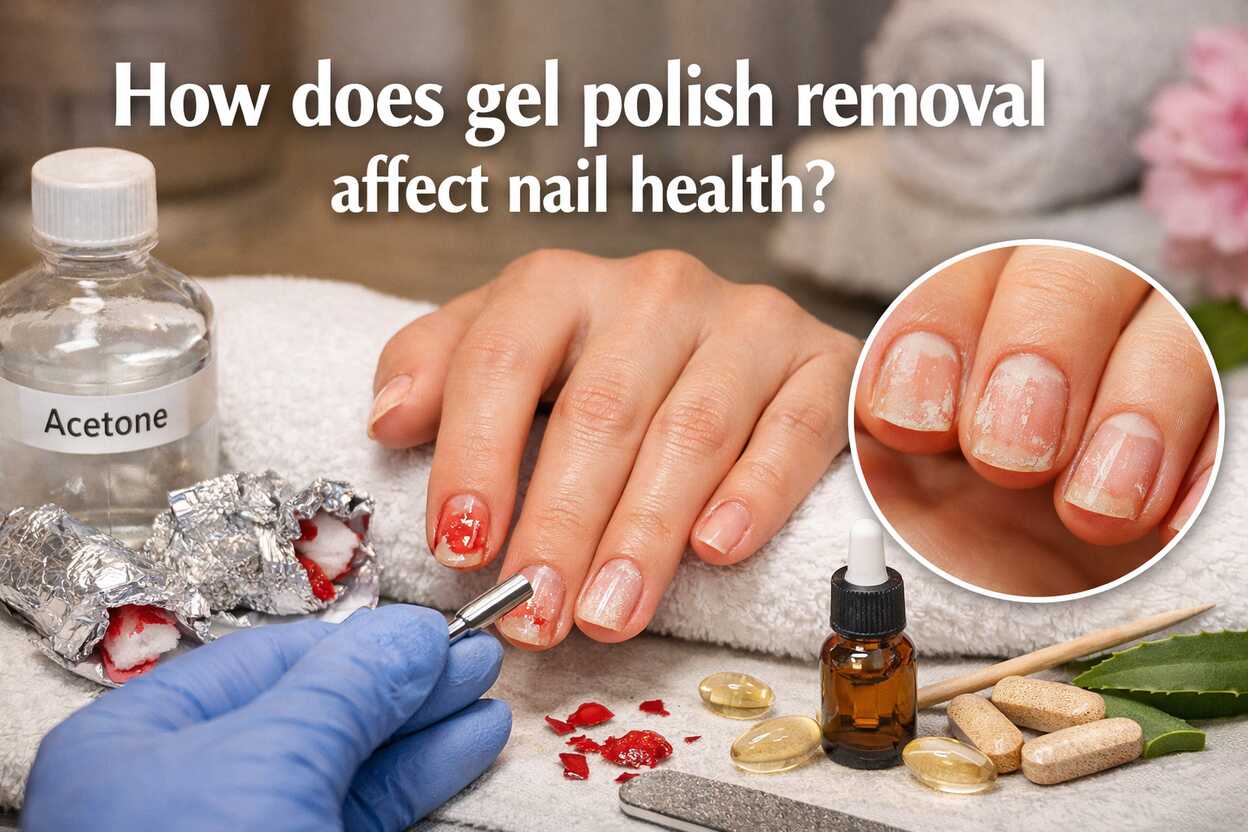
Gel polish removal influences nail hydration, surface integrity, microbial balance, and regeneration. Repeated acetone exposure and aggressive scraping weaken the keratin layers and disrupt the protective seal of the cuticle, making nails prone to splitting and infections.
Nail Hydration Level
Nail plates consist of about 18% water by weight. Acetone reduces this moisture level to below 10%, resulting in dry, brittle nails post-removal. Hydrating serums containing hyaluronic acid or urea can rehydrate the nail matrix effectively.
Keratin Layer Thickness
Improper buffing or scraping removes surface keratin layers. Loss of these layers leads to a thinner, more flexible nail prone to bending or breakage. Recovery requires biotin supplementation and protective coatings.
Microbial Risk
Disruption of the cuticle barrier from acetone increases risk of nail bed infections. Opportunistic bacteria and fungi can invade when natural defenses are compromised, especially if the nail matrix is injured.
Nail Regeneration
Healthy nails grow 2–3 mm per month. Removal damage delays this by triggering inflammation at the matrix or lateral nail folds. Post-care using peptides and calcium nail hardeners supports regrowth.
What post-care routine strengthens nails after removal?
Effective post-removal routines reverse the negative effects of gel polish removal and restore natural nail function. Nail repair systems focus on hydration, barrier restoration, and structural support.
Cuticle Oil
Cuticle oils containing jojoba, sweet almond, or Vitamin E restore elasticity and moisture to the perionychium. Daily application prevents cracking and stimulates microcirculation around the nail bed.
Nail Strengtheners
Strengtheners with formaldehyde derivatives, keratin peptides, or calcium improve nail plate rigidity. Application should follow a structured 7-day cycle to avoid over-hardening.
Moisturizing Gloves
Wearing gloves infused with shea butter or aloe vera for 15 minutes boosts moisture absorption. Occlusive therapy creates a humid micro-environment, accelerating lipid replenishment.
Biotin Supplements
Biotin (Vitamin B7) enhances keratin infrastructure and supports faster regrowth. A daily dose of 2.5 mg is clinically proven to increase nail thickness and reduce breakage in 6–9 months.
Post-Care Ingredients and Their Effects
| Ingredient | Function | Application Frequency | Visible Effects Timeline |
|---|---|---|---|
| Jojoba Oil | Moisture retention | Daily | 3–5 days |
| Keratin Peptides | Nail plate strengthening | 2–3 times/week | 1–2 weeks |
| Urea | Rehydration of matrix | Daily | 5–7 days |
| Biotin | Growth and thickness | Oral, daily | 8–12 weeks |
Consistent use of high-quality post-care ingredients helps reverse the temporary dehydration and thinning caused by acetone soaking.
Conclusion
Removing gel nail polish correctly preserves nail structure, maintains hydration, and protects cuticle health. Acetone remains the most effective solvent, but should be used with barrier protection and moisturizing recovery products. Users must follow the sequence of proper buffing, soaking, scraping, and aftercare to prevent long-term damage. Nail health depends not only on correct removal but on restorative practices after the fact. Knowledge of the chemical and biological entities involved ensures better decisions and healthier nails long-term.
FAQ:
Can I remove gel polish without acetone?
Non-acetone removers have limited efficacy against gel polymers. Acetone alternatives are generally ineffective for complete removal.
Is peeling off gel polish bad?
Peeling strips away keratin layers and damages the nail bed, leading to thin, fragile nails.
How long should I soak gel nails in acetone?
A 10–15 minute soak is sufficient for most gel polishes, assuming the topcoat is buffed first.
Should I use a metal cuticle pusher?
Wooden or rubber tools are safer to avoid scratching the nail plate or injuring the cuticle.
How often can I get gel manicures?
A 2–3 week break between gel applications allows nails to rehydrate and recover structural integrity.
Check related Fashion Article also: Fashion