



Introduction
Solo travel has shifted from a niche pursuit into one of the most influential travel movements of the last decade. Whether you’re a first-time solo traveler, a digital nomad seeking mobility, or someone craving clarity after a life transition, traveling alone offers unmatched freedom and personal growth. Mastering essential solo travel tips ensures your trips are safer, smoother, and more meaningful, giving you the confidence to navigate unfamiliar places while optimizing cost, safety, connection, and cultural understanding.
What are the most important solo travel tips for beginners?

How can you prepare for your first solo trip?
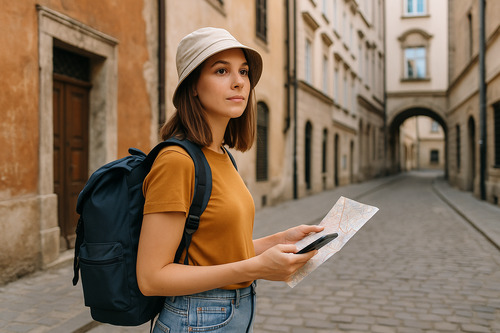
Preparing for your first solo trip starts with selecting a destination that aligns with your comfort level, creating a realistic itinerary, and understanding essential safety protocols. Focus on choosing places with strong tourism infrastructure, accessible public transport, and a reputation for traveler safety. Planning ahead reduces anxiety and helps you enter your trip with clarity rather than uncertainty.
Preparation also includes gathering required documents, securing travel insurance, confirming accommodation, and initiating health-related steps such as vaccinations or prescriptions. Beginners benefit from using tools like Google Maps offline, learning local emergency numbers, and booking at least the first few nights of accommodation in advance. These small actions create a stable foundation that supports confidence.
Beyond logistics, emotional preparation matters. First-time solo travelers often experience the excitement–fear mix known as “pre-trip jitters.” Understanding that hesitation is normal helps you adapt more easily once you arrive. Reading solo travel forums, joining online communities, and speaking with experienced travelers build a supportive mindset that reassures you before departure.
What should solo travelers pack differently?
Solo travelers should pack lighter, smarter, and with a strong focus on safety and self-sufficiency. When you travel alone, there’s no one to share items with or help carry your load, so a lightweight backpack or suitcase is critical. Prioritize versatile clothing, digital backups of documents, a power bank, and portable safety tools like a doorstop alarm.
In terms of functional gear, include sub-entities such as packing cubes, quick-dry clothing, compact first-aid kits, and RFID-blocking wallets. These items reduce clutter, increase efficiency, and keep your essentials protected. For digital nomads traveling solo, packing also includes adapters, external drives, and cybersecurity tools like VPN access.
Packing for solo travel also means preparing for unexpected challenges. Carry extra medication, photocopies of passports, emergency snacks, and a backup means of payment. These additions support resilience and help you manage small crises independently without relying on outside help.
How do you stay safe when traveling alone?
Staying safe during solo travel requires awareness, preparation, and proactive decision-making. Share your itinerary with someone you trust, stay in well-reviewed accommodations, and choose transportation options vetted by locals or reputable apps. Always trust your instincts—if a situation feels off, remove yourself immediately.
Key safety sub-entities include local laws, emergency numbers, scam awareness, and neighborhood research. Learn which districts are safe, understand cultural expectations, and identify common tourist scams in the region. Staying informed empowers you to make better decisions.
Safety also extends to digital behavior. Avoid broadcasting your location in real time, use hotel safes wisely, and secure your devices with strong passwords. Staying connected via roaming data or portable Wi-Fi ensures you can navigate, communicate, and handle emergencies at any moment.
Why is solo travel becoming more popular?
What psychological benefits does solo travel offer?
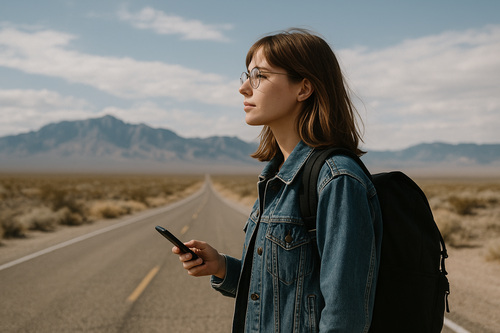
Solo travel offers psychological benefits such as increased confidence, enhanced emotional intelligence, and improved decision-making skills. Traveling alone forces you to rely on your own judgment while navigating unfamiliar environments, leading to measurable personal growth. Many travelers report a renewed sense of independence and clarity after their first solo trip.
This growth is supported by sub-entities including self-discovery, adaptability, autonomy, and mindfulness. Taking full ownership of your schedule encourages deeper awareness of your preferences, strengths, and boundaries. You learn to trust yourself, which carries into everyday life.
Solo travel also reduces social pressure, allowing introspection and mental rejuvenation. Time spent wandering freely, journaling, or simply observing your surroundings creates conditions for personal breakthroughs, making travel not just enjoyable but transformative.
Which demographics are driving the solo travel trend?
The solo travel movement is driven predominantly by millennials, Gen Z, digital nomads, and a significant rise in women solo travelers. These groups value flexibility, experiential travel, and personal development more than previous generations. Advances in technology, from booking apps to translation tools, also make solo travel more approachable.
Sub-entities shaping demographic shifts include remote workers, gap-year students, recent retirees, and post-divorce travelers. Each group enters solo travel with different motivations—from seeking healing to exploring freedom or redefining life direction.
Cultural changes also influence the trend. Social media makes solo travel seem both achievable and aspirational, while global tourism improvements improve safety and accessibility. As barriers decrease, more people feel empowered to travel alone.
How can you meet people while traveling solo?
What are the best apps and platforms for solo travelers to connect?
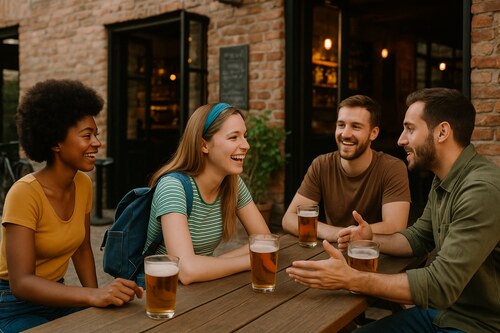
Meeting people while traveling solo is easier than ever thanks to a wide range of apps designed to help travelers connect. Platforms like Meetup, Couchsurfing Hangouts, Tinder (for socializing), Bumble BFF, and Backpackr help solo travelers find like-minded people for activities or companionship.
Beyond social apps, communities such as Nomad List, Reddit’s r/solotravel, and Facebook travel groups serve as digital gathering spaces where travelers exchange tips and plan meetups. These sub-entities create meaningful connections that often extend beyond just one trip.
Apps ease logistics but also reduce loneliness. They help you join group tours, attend events, and participate in cultural activities. Knowing you can connect with people in any city builds confidence and provides a safety net during your travels.
How do you balance solitude and socializing on solo trips?
Balancing solitude and socializing starts with recognizing your personal energy levels. Plan moments for quiet reflection—whether it’s a coffee alone or a beach walk—while also engaging in social environments like hostels, group tours, and workshops. This balance ensures your experience is emotionally fulfilling.
Sub-entities supporting healthy social balance include structured activities, co-working spaces, walking tours, and language classes. These give you a social outlet without overwhelming your independence, creating natural opportunities to connect.
Maintaining this balance enhances mental well-being. Too much isolation leads to loneliness, while constant socializing leads to burnout. A personalized mix helps you stay grounded and enjoy the freedom that solo travel offers.
What are the best solo travel destinations right now?
Which countries are safest for solo travelers?
Countries known for safety, hospitality, and traveler-friendly infrastructure rank highly for solo travelers. Japan, Portugal, Iceland, New Zealand, and Canada are consistently recommended due to their low crime rates, efficient transportation, and helpful locals.
Sub-entities include public transport reliability, emergency response systems, visa policies, and tourism infrastructure. These factors combine to create a secure environment where travelers can explore confidently.
Safety also varies by region and season. Research current advisories and local guidance before departure. Solo travelers should remain adaptable and make decisions based on real-time information rather than outdated assumptions.
What destinations are best for female solo travelers?
Female solo travelers often prioritize safety, accessibility, and cultural openness. Countries like Japan, Ireland, Slovenia, Singapore, and Costa Rica consistently appear in top rankings for solo women due to supportive tourism systems and friendly communities.
Important sub-entities include women-friendly accommodations, female-only dorms, local attitudes toward women, and nighttime safety ratings. These elements help create an environment where female travelers feel comfortable navigating alone.
Destinations with strong solo travel communities, such as Bali or Chiang Mai, also offer peer support and countless opportunities to connect with other travelers. This mix of safety and social infrastructure makes these regions ideal for women traveling independently.
How do you handle challenges and emergencies when traveling solo?
What’s the best way to manage travel documents and money?
Managing documents and money responsibly ensures that small mistakes don’t escalate into crises. Always store your passport, ID, and travel insurance in a secure location, preferably separated from daily spending items. Use digital copies stored in encrypted cloud services for backup.
Key sub-entities include multi-currency cards, lockable bags, budget tracking apps, and local bank partnerships. These tools help you monitor spending, avoid high fees, and reduce the risk of loss or theft.
Money and document management also includes diversifying access. Keep emergency cash hidden, maintain an additional card stored separately, and know where the nearest embassy or consulate is located. A well-organized system helps you recover quickly from unexpected setbacks.
What should you do if you get sick or feel unsafe abroad?
If you get sick abroad, seek medical care immediately at reputable hospitals or clinics, and notify your travel insurance provider. Most destinations have English-speaking medical professionals accessible through tourist hotlines or hotel staff.
Sub-entities such as emergency clinics, pharmacies, telemedicine services, and insurance hotlines are essential resources. Familiarize yourself with available options before you need them. Many countries offer walk-in clinics that cater specifically to travelers.
If safety becomes a concern—whether due to harassment, theft, or an uncomfortable situation—prioritize getting to a safe public location. Contact local authorities, reach out to your embassy, or inform accommodation staff. Solo travelers benefit from being proactive rather than cautious after the fact.
How can you make solo travel more affordable?
What are budget hacks for solo travelers?
Making solo travel affordable starts with choosing off-peak seasons, using travel points, and booking flexible airfare tools like price alerts. Cooking your own meals, walking instead of using taxis, and prioritizing free attractions significantly reduce costs.
Helpful sub-entities include budget airlines, public transit passes, loyalty programs, and group tour discounts for solo travelers. Smart resource use ensures your budget stretches further without affecting experience quality.
Solo travelers often face the “single supplement” fee. Overcome this by booking shared rooms, using homestays, or choosing hostels with private pods. These compromise comfort minimally while maximizing savings.
How can solo travelers save on accommodation and food?
Accommodation is often a major expense, but solo travelers can reduce costs by choosing hostels, guesthouses, or long-stay rentals. Many offer communal kitchens, which further saves money. Co-living and co-working spaces are ideal for remote workers.
Sub-entities include Airbnb private rooms, capsule hotels, volunteering programs, and digital nomad hubs. Each option adjusts cost without sacrificing safety or comfort.
For food, embrace local markets, street food, and self-catering options. Not only is this cheaper, but it immerses you more deeply in local culture. Balancing meals out with economical alternatives keeps your budget sustainable.
What myths about solo travel should you ignore?
Is solo travel lonely or dangerous?
Solo travel isn’t inherently lonely or dangerous—these are misconceptions rooted in fear rather than reality. With proper planning, situational awareness, and the use of social platforms, most travelers find solo trips empowering and fulfilling.
Sub-entities debunking this myth include community meetups, group day tours, safety apps, and local guides. These options keep you connected and safe while preserving independence.
Traveling alone teaches resilience and adaptability. Instances of danger are rare when reasonable precautions are taken. Most destinations are welcoming to solo adventurers, and many travelers find meaningful friendships on the road.
Do you need to be an extrovert to enjoy traveling solo?
You don’t need to be an extrovert to enjoy solo travel. Introverts often thrive because solo trips allow control over social interaction levels. You choose when to engage and when to retreat, creating a balanced emotional experience.
Sub-entities relevant to this include quiet travel destinations, mindful travel practices, solo-friendly tours, and journaling routines. These enhance introspection and personal comfort.
Solo travel suits all personality types because it adapts to your pace. You can be as social or independent as you like without external pressure, creating a personalized experience that aligns with your energy.
Best Solo Travel Destinations by Category
| Category | Top Destinations | Why They Rank Highly |
|---|---|---|
| Safest | Japan, Iceland, Portugal | Low crime, efficient transit, friendly locals |
| Budget-Friendly | Vietnam, Mexico, Poland | Affordable food, lodging, and transportation |
| Female-Friendly | Singapore, Slovenia, Ireland | Strong safety culture, supportive tourism |
| Digital Nomads | Thailand, Bali, Portugal | Wi-Fi access, co-working hubs, long-term stays |
Essential Solo Travel Safety Checklist
| Safety Area | Key Actions |
|---|---|
| Documents | Backup digital copies, separate identities, secure storage |
| Accommodation | Book reputable places, use doorstop alarms |
| Navigation | Download offline maps, avoid dark/isolated routes |
| Money | Carry multiple payment methods, hide emergency cash |
| Connectivity | Use a local SIM or portable Wi-Fi |
| Health | Pack medication, know nearest clinic/hospital |
Conclusion
Solo travel is one of the most rewarding ways to explore the world, offering unmatched freedom, personal discovery, and resilience. With proper planning, strategic packing, awareness of safety protocols, and an understanding of cultural norms, you can enjoy every moment confidently and responsibly. Whether you’re a first-time solo traveler or a seasoned nomad, mastering these solo travel tips ensures every trip becomes safer, smarter, and more impactful. Traveling alone doesn’t mean traveling lonely—it means traveling empowered.
FAQs
What are the key benefits of solo travel?
Solo travel builds confidence, independence, emotional clarity, and adaptability while providing complete freedom to create your perfect itinerary, pace, and experiences.
How do I stay safe while traveling alone at night?
Stick to public, well-lit areas, rely on trusted transportation options, avoid showing valuables, and share your live location with a friend.
Can solo travel help with confidence and independence?
Yes—making decisions alone, problem-solving, and navigating new environments significantly boost your confidence and life skills.
What are the best budget-friendly countries for solo travelers?
Vietnam, Thailand, Mexico, Portugal, and Poland offer low-cost transportation, affordable lodging, and excellent food options.
Is it safe for women to travel alone in 2025?
With proper precautions, many destinations—like Japan, Slovenia, and Singapore—are very safe for women traveling alone.
How can I avoid feeling lonely on a solo trip?
Join walking tours, stay in social accommodations, use meetup apps, and balance social time with personal downtime.
What essentials should I pack as a solo traveler?
Travel insurance, a power bank, copies of documents, versatile clothing, safety tools, and lightweight gear are essential.
Are there communities for solo travelers to connect with each other?
Yes—Nomad List, Couchsurfing Hangouts, Reddit’s solo travel community, and many Facebook groups support solo traveler networking.
Read Also:


