


Introduction
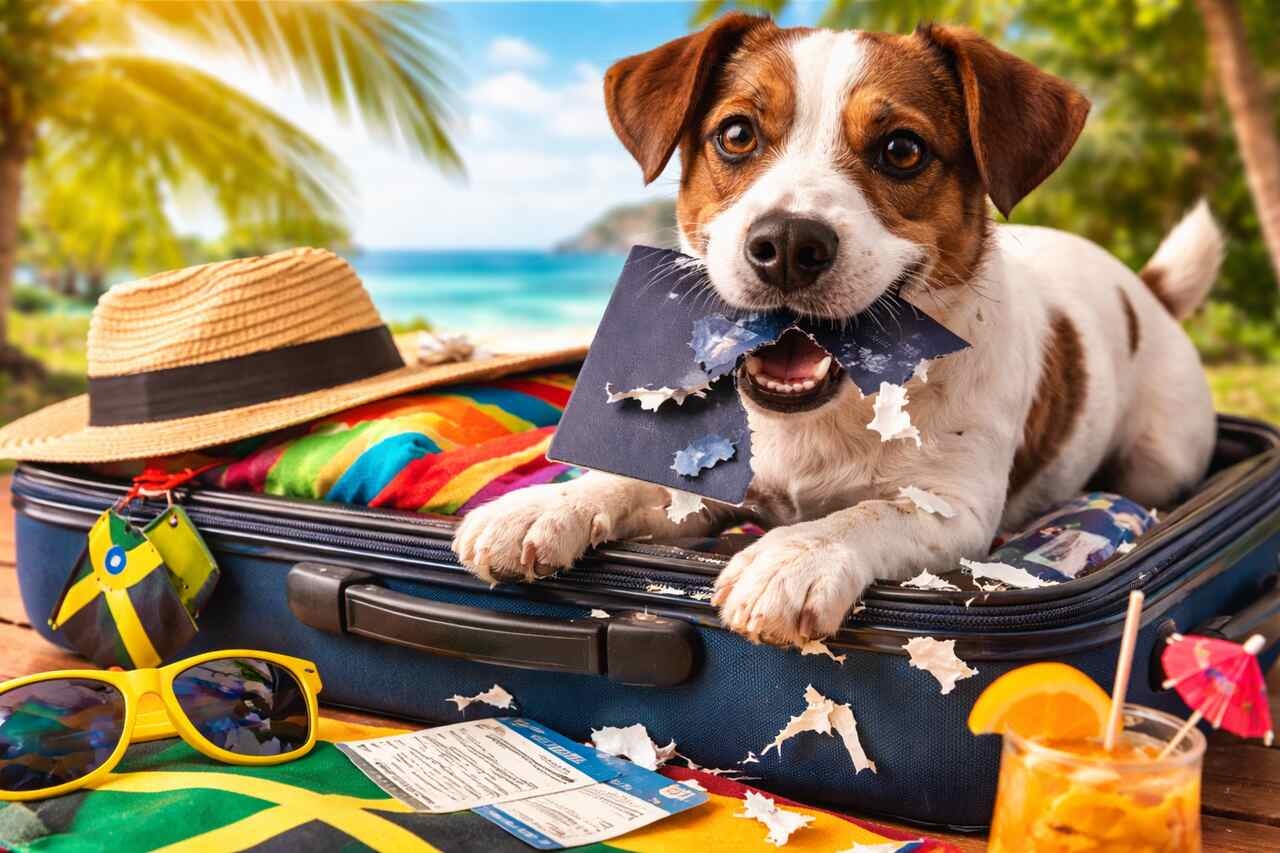
When a dog chews a passport before a Jamaica vacation, the incident triggers a cascade of logistical, emotional, and administrative consequences. Travelers must understand how such a situation affects international travel documentation, explore passport replacement procedures, evaluate pet behavioral management, and assess the legal travel requirements for Jamaica. This comprehensive guide explores all related entities and sub-entities in-depth to help prevent future disruptions and assist those affected by similar incidents.
What happens when a passport is damaged before an international trip?
A damaged passport becomes invalid for international travel, and border authorities may deny boarding or entry. A chewed passport — particularly one destroyed by a pet — is classified as physically damaged, which necessitates urgent passport replacement.
Passport Damage as a Travel Barrier
Definition and Legal Status
A passport with torn pages, bite marks, water damage, or an unreadable photo is legally considered invalid. Airlines and immigration officers are instructed to reject damaged travel documents, especially when biometric data is compromised.
Urgent Replacement Requirements
The traveler must schedule an appointment at a passport agency that accepts expedited applications. Emergency appointments require proof of imminent travel (within 14 days) and identification documents.
Biometric Data Integrity
If a passport chip or photo page is damaged, identity verification becomes impossible. Chewing often affects these sections, leading to mandatory replacement regardless of the degree of visible damage.
Airline and Embassy Policies
Airlines deny boarding to travelers with visibly damaged passports. Embassies may issue emergency travel documents in select cases, but those are subject to the destination country’s acceptance.
How does passport replacement work before a vacation?
Passport replacement involves multiple steps, including documentation submission, photo retaking, and expedited processing.
Expedited Passport Services
Application Submission
Applicants must fill Form DS-11 (for new applications) or DS-82 (for renewals), along with a statement explaining how the passport was damaged. The damaged passport must be submitted with the application.
Regional Passport Agencies
Only certain passport agencies process same-day or 24-hour services. These agencies prioritize travelers with confirmed travel within 72 hours.
Required Documents
Applicants need:
-
Proof of citizenship (birth certificate or previous passport)
-
Government-issued ID
-
Passport photo
-
Travel itinerary
-
Statement of damage
Cost and Timeframe
Expedited service costs $60 extra, plus overnight shipping fees. Processing ranges from 24 hours (emergency) to 5–7 business days (urgent but not same-day).
U.S. Passport Replacement Options
| Service Type | Processing Time | Cost (Standard + Expedited) | Requirements |
|---|---|---|---|
| Routine | 8–11 weeks | $130 | Form, photo, ID |
| Expedited by Mail | 5–7 weeks | $190 | Form, photo, ID, itinerary |
| In-person Expedited | 24–72 hours | $190 + travel | Appointment, travel proof |
| Emergency Travel Document | Same day | Varies | Embassy-issued, limited use |
Passport replacement before a vacation demands immediate action, clear documentation, and knowledge of available service tiers. A damaged passport cannot be used for international travel, including trips to Jamaica.
Why do dogs chew important objects like passports?
Dogs chew passports due to behavioral, psychological, and physiological triggers. Understanding these reasons helps prevent such incidents in the future.
Separation Anxiety
Behavioral Explanation
Dogs with separation anxiety chew objects that carry their owner’s scent. Passports often stay in bags, which are handled frequently, absorbing human scent that attracts the dog.
Signs of Anxiety
Whining, pacing, destructive chewing, and urination when left alone indicate anxiety-driven behaviors. Chewed personal items usually accompany these signs.
Triggers
Changes in routine, pre-vacation packing, or owner stress can increase dog anxiety. Dogs pick up on emotional cues and may act out to seek attention.
Preventative Measures
Gradual desensitization, crate training, and anxiety toys reduce destructive behaviors. Behavioral therapy or vet-prescribed medications are also effective.
Teething and Oral Fixation
Puppy Behavior
Puppies between 3–7 months experience teething, leading to a compulsion to chew. Paper items like passports offer satisfying resistance during chewing.
Adult Dogs
Oral fixation in adult dogs results from boredom or lack of mental stimulation. Chewing paper satisfies that urge, especially if alternative toys are absent.
Intervention Techniques
Interactive toys, chew treats, and scheduled playtimes help redirect energy. Positive reinforcement when avoiding forbidden objects encourages behavior correction.
Breed Tendency
Breeds like Labrador Retrievers and Beagles have higher oral tendencies, increasing the risk of document chewing.
Lack of Environmental Enrichment
Environmental Triggers
A dog left alone in a stimulus-deprived space often explores the environment through chewing. Personal items within reach become targets of exploration.
Cognitive Boredom
Intelligent dogs need cognitive stimulation. Lack of puzzle toys, scent games, or social interaction can lead to behavioral issues.
Owner Responsibility
Owners must dog-proof spaces, keeping travel items, documents, and bags out of reach.
Home Setup Recommendations
Designated chew-safe areas, sensory toys, and calming music can reduce boredom-related chewing.
What are Jamaica’s travel requirements for U.S. citizens?
Jamaica requires a valid passport with at least one blank page and proof of return or onward travel for all U.S. citizens. Damaged or expired passports are not accepted under any circumstances.
Entry Regulations for Jamaica
Passport Validity
Jamaica mandates passport validity for the duration of stay. While some countries require six months’ validity, Jamaica does not impose that requirement for U.S. travelers.
Return or Onward Ticket
Travelers must present proof of departure within the approved period of stay. Open-ended visits without a return flight may lead to denied entry.
Visa Policy
U.S. citizens do not need a visa for stays under 90 days. However, a valid passport is non-negotiable.
Customs and Immigration Checks
Jamaican border control screens for forged, altered, or damaged passports. A chewed or tampered passport is grounds for immediate denial of entry.
Jamaica Entry Requirements for U.S. Travelers
| Requirement | Description |
|---|---|
| Valid Passport | Required; must be in good condition |
| Return/Onward Ticket | Mandatory; proof required upon entry |
| Visa | Not required for visits under 90 days |
| Damaged Passport | Not accepted; entry will be denied |
Jamaica’s entry policy is strict regarding passport condition. Travelers must ensure their documents are fully intact and valid prior to departure.
How can travelers prevent pets from accessing travel documents?
Preventing passport damage involves proactive pet-proofing, psychological reinforcement, and strategic storage of travel items.
Secure Storage Habits
Use of Lockable Containers
Store passports in lockable drawers or safes when not in use. Avoid leaving them in open bags or accessible surfaces.
Suitcase Strategy
Travelers packing in advance should zip suitcases and place them in elevated or closed closets to deter pets.
Pet Deterrent Sprays
Spraying luggage or bags with safe deterrents like bitter apple reduces chewing behavior.
Visual Deterrence
Covering bags or using opaque bins keeps travel-related items visually hidden from curious dogs.
Pre-Trip Behavioral Conditioning
Routine Stability
Maintaining consistent feeding and walking routines during pre-trip packing reduces stress-induced misbehavior in dogs.
Training Commands
Reinforcing “leave it” or “off” commands before travel helps redirect pets away from unauthorized items.
Desensitization
Short practice separations simulate vacation conditions and reduce anxiety-driven actions.
Interactive Engagement
Toys like KONGs filled with peanut butter keep dogs occupied during critical packing hours.
What should travelers do if their dog chews the passport last minute?
Immediate action is necessary to recover travel plans if a passport is destroyed within days of departure.
Emergency Passport Replacement Steps
-
Contact Nearest Passport Agency: Find the closest regional center offering same-day services.
-
Call for Emergency Appointment: Use the U.S. State Department’s hotline to book an urgent slot.
-
Gather Documentation Quickly: Secure photos, proof of travel, ID, and any prior passports.
-
Prepare a Damage Statement: Describe how the passport was destroyed, including the dog’s involvement.
-
Consider Travel Insurance Claims: If travel is disrupted, policy coverage may apply.
Conclusion
When a dog chews a passport before a Jamaica vacation, the impact extends beyond inconvenience. A damaged passport halts international travel, triggers replacement protocols, and highlights the importance of pet-proofing travel preparations. By understanding Jamaican entry requirements, behavioral causes in pets, and emergency response systems, travelers can better safeguard future trips. Clear steps exist to recover from passport damage — but proactive prevention is always the most effective approach.
FAQs
Can I board a plane with a chewed passport?
No. Damaged passports are considered invalid for international travel and may result in denied boarding.
Will Jamaica accept a slightly damaged passport?
No. Jamaican immigration requires passports in good physical condition. Bite marks or torn pages can lead to denial.
Can I get a passport the same day?
Yes. Regional agencies offer same-day service with proof of travel and a confirmed appointment.
Is there a pet insurance that covers travel disruptions?
Some pet insurance policies and travel insurance plans cover pet-related disruptions. Coverage varies by provider.
What is the fastest way to protect documents from pets?
Store passports in lockable drawers or safes and keep bags zipped and elevated away from pet access.